This website provides general lifestyle and wellness education only. We are not a medical provider and do not offer medical advice, diagnosis, or treatment.

Lifestyle Education · Gilbert, AZ

Explore Everyday Habits for Calmer Evenings

Cleansingfrdetox.ddd shares free, practical education about daily rhythm, bedroom setup, evening routines, and nutrition basics. Content is general information only — not personalized medical guidance.

About Our Mission Browse Guides
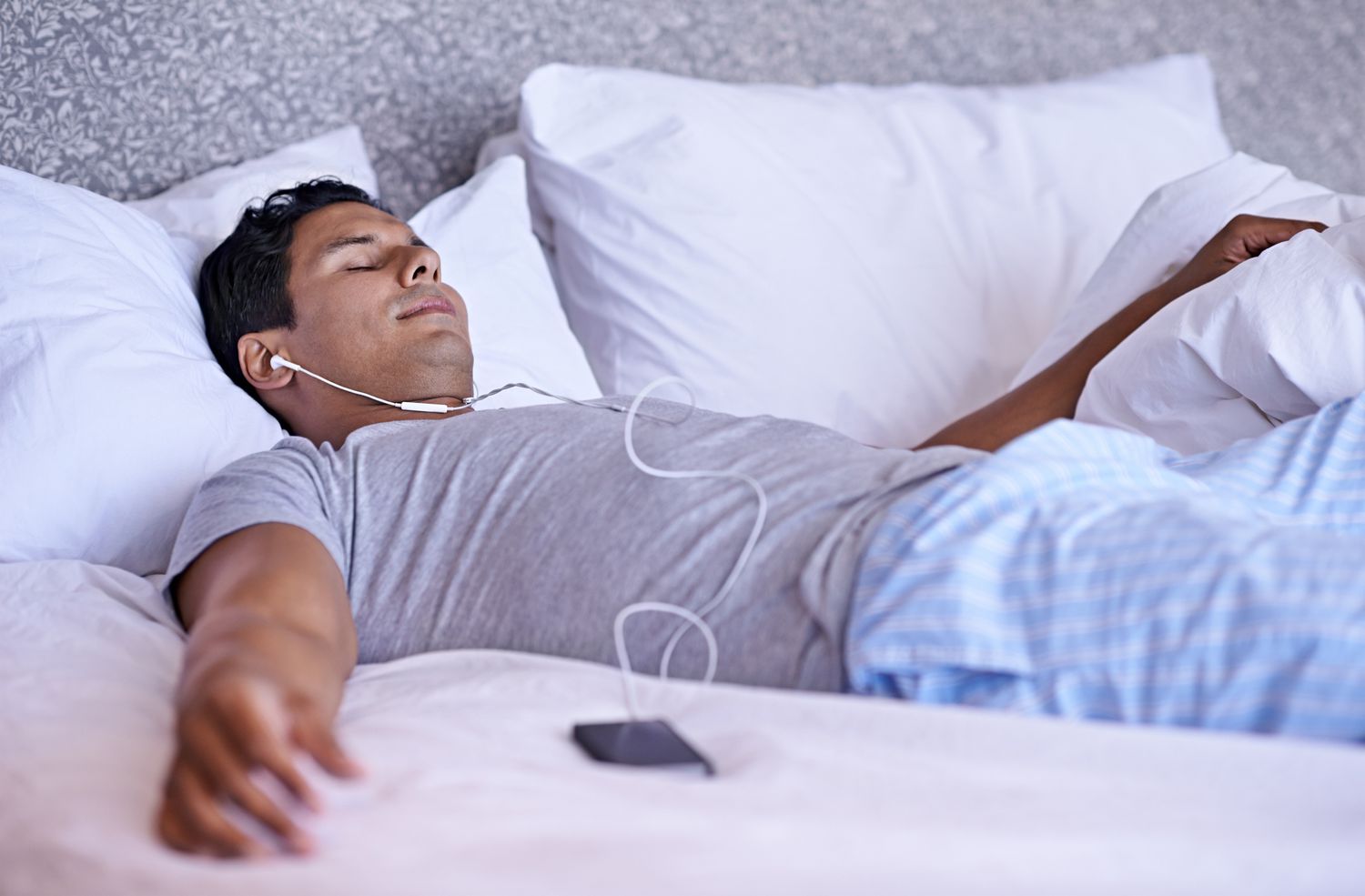
Calm bedroom with soft evening light

Balance Activity and Rest

Your daytime rhythm sets the stage for how easily you wind down at night.

Many people notice that pushing through long work blocks without breaks leaves the mind buzzing when the head finally hits the pillow. Research on circadian rhythms suggests that alternating focused effort with genuine recovery windows helps the nervous system shift gears more smoothly toward rest.

Try scheduling a ten-minute walk after lunch, capping intense screen sessions at ninety minutes, and reserving one evening per week for low-stimulation activities like reading or gentle stretching. These patterns signal to your body that alertness has its place — and so does slowing down.

Overtraining at the gym or skipping rest days can also elevate cortisol levels, which may delay sleep onset. A balanced week might include two moderate cardio sessions, two strength days, and active recovery such as yoga or swimming on lighter days.

Read the Full Guide
Person taking a mindful break outdoors during the day

Sleep Hygiene Essentials

Simple environmental tweaks can support a more consistent sleep schedule.

Darkness

Even small amounts of light can suppress melatonin production. Blackout curtains, dim red-spectrum bulbs after sunset, and covering LED indicators on electronics reduce unwanted brightness. If total darkness feels uncomfortable, a low-wattage amber nightlight placed low to the floor may feel less disruptive.

Quiet

Steady background noise — traffic, HVAC hum, or a partner's snoring — can fragment sleep without fully waking you. White-noise machines, earplugs rated for comfort, or repositioning the bed away from windows are common approaches. Some people find binaural beats at low volume helpful during the transition to sleep.

Cool Temperature

Core body temperature naturally drops as sleep approaches. Keeping the bedroom between 60°F and 67°F (15–19°C) aligns with this process. Breathable cotton bedding, a fan for air circulation, and avoiding heavy meals close to bedtime all support thermal comfort through the night.

Quick checklist: Same wake time daily (including weekends), no caffeine after 2 p.m., phone charging outside the bedroom, and reserving the bed for sleep and rest only — not work or scrolling.

View Complete Checklist

Relaxation Before Sleep

The hour before bed is a transition zone — not a time to squeeze in one more task. Breathing practices such as the 4-7-8 pattern (inhale four counts, hold seven, exhale eight) activate the parasympathetic nervous system and can lower heart rate within a few minutes.

A warm shower taken sixty to ninety minutes before bed raises skin temperature; as you cool afterward, the body receives a cue that sleep is approaching. Pairing this with caffeine-free herbal tea — chamomile, lemon balm, or passionflower — creates a sensory ritual the brain learns to associate with winding down.

Gentle progressive muscle relaxation, moving from toes to forehead while tensing and releasing each group, is a commonly discussed relaxation technique. Some people find even five minutes helpful as part of a wind-down routine; individual responses vary.

Evening Wellness Guide
Steaming herbal tea and a cozy evening setting

Letting Go of the Day

Unresolved thoughts from the day often follow us into bed. Structured practices can help close the mental loop.

Person journaling quietly in soft lamplight

A three-minute body-scan meditation — noticing sensations from feet upward without judgment — redirects attention away from tomorrow's to-do list. Apps are optional; guided audio or simply counting breaths works equally well for many people.

Gratitude journaling, even listing three specific moments from the day, shifts cognitive focus toward completion rather than worry. Some people find this practice helpful as part of an evening routine; experiences vary and this is not a substitute for professional support when needed.

The "brain dump" technique — writing every lingering thought on paper for five minutes, then closing the notebook — creates a symbolic boundary between daytime concerns and nighttime rest. Keep the journal on a nightstand so the ritual stays accessible.

  • Body scan
  • Gratitude list
  • Brain dump
  • Guided audio

Evening Nutrition Basics

Certain nutrients are commonly discussed in relation to relaxation and evening routine planning.

Mg Magnesium supports GABA activity
Trp Tryptophan precursors to serotonin
B6 Helps convert tryptophan
2–3h Ideal gap before bedtime meal

Magnesium-rich foods include pumpkin seeds, spinach, almonds, and dark chocolate in moderation. Tryptophan appears in turkey, eggs, cheese, oats, and bananas. Combining a complex carbohydrate with a tryptophan source — such as whole-grain toast with almond butter — may facilitate absorption across the blood-brain barrier.

Timing matters: a light snack ninety minutes before bed may help avoid hunger-related awakenings for some people, while heavy or spicy meals may cause discomfort. Tart cherry juice is sometimes discussed in wellness literature as an evening beverage option. Always consider personal dietary needs and consult a qualified professional for individualized nutrition guidance.

Nutrition & Sleep Details

Health & Safety Guidelines

Thoughtful self-care starts with knowing when lifestyle adjustments are enough — and when to seek additional support.

  • General Information Only

    All content on Cleansingfrdetox.ddd describes lifestyle habits and general wellness concepts. Nothing here replaces evaluation by a licensed healthcare provider, sleep specialist, or registered dietitian.

  • When to Reach Out for Support

    Persistent difficulty falling or staying asleep for more than three weeks, loud snoring with pauses in breathing, extreme daytime sleepiness, or sudden changes in sleep patterns may warrant a conversation with a licensed clinician in your area. Do not adjust prescribed medications based on website content.

  • Physical Activity Safety

    Introduce new exercise gradually. Stay hydrated, wear appropriate footwear, and avoid high-intensity workouts within three hours of your intended bedtime if they leave you feeling wired rather than relaxed.

  • Herbal Products & Supplements

    Teas and supplements can interact with medications or conditions. Review ingredients with a pharmacist or physician before adding new products to your routine, especially if you are pregnant, nursing, or managing a chronic condition.

Events Calendar

Join community sessions focused on building sustainable sleep-friendly habits.

June 12, 2026 · 6:30 PM MST

Evening Wind-Down Workshop

Educational group session covering a sample thirty-minute pre-sleep routine with breathwork, gentle stretching, and journaling prompts. In-person in Gilbert, AZ. Limited capacity; details provided at registration.

Reserve a Spot

July 8, 2026 · 10:00 AM MST

Sleep Environment Open House

Walk through a model bedroom setup with lighting, temperature, and sound demonstrations. Ask questions about blackout solutions, white noise, and minimal-tech bedtime setups.

Learn More

August 22, 2026 · 5:00 PM MST

Nutrition for Restful Evenings

A tasting-style session featuring magnesium- and tryptophan-rich snacks, plus guidance on meal timing. Includes printed recipe cards to take home.

Register Interest

Transparency & Business Information

We believe visitors deserve clear, honest information about who we are.

Who operates this website

Cleansingfrdetox.ddd is a lifestyle education resource based at 1521 E Elliot Rd #102, Gilbert, AZ 85234, United States. Phone: +1 (480) 558-9642.

We publish free educational articles and host optional paid workshops. We do not sell products, supplements, or medical services online.

Full About Page

Content standards

  • Original, fact-based lifestyle education — not medical advice
  • No guaranteed outcomes or before/after claims
  • No promotion of prescription treatments or unapproved devices
  • Clear links to Privacy Policy, Terms of Use, and Contact

Questions? Email question@cleansingfrdetox.world

Frequently Asked Questions

Common questions about lifestyle approaches to better rest.

Some people who consistently apply sleep hygiene and evening routine ideas report subtle changes over several weeks. Timing varies widely based on stress levels, schedule consistency, and starting habits. We do not promise specific outcomes — consider tracking your own experience and consulting a professional if concerns persist.

Night mode reduces blue light but does not eliminate mental stimulation from content. If phone use is part of your evening, set a firm cutoff thirty to sixty minutes before bed and switch to offline activities. Charging the device outside the bedroom removes the temptation to check notifications during the night.

A brief nap of twenty to thirty minutes before 3 p.m. can restore alertness without significantly affecting nighttime sleep for most adults. Longer or late-afternoon naps may make it harder to feel sleepy at your usual bedtime. Experiment and track how naps influence your personal sleep onset.

Many individuals find adequate support through food sources, consistent routines, and environmental adjustments alone. Supplements are a personal decision that should involve informed discussion with a healthcare provider, particularly if you take other medications or have underlying health considerations.